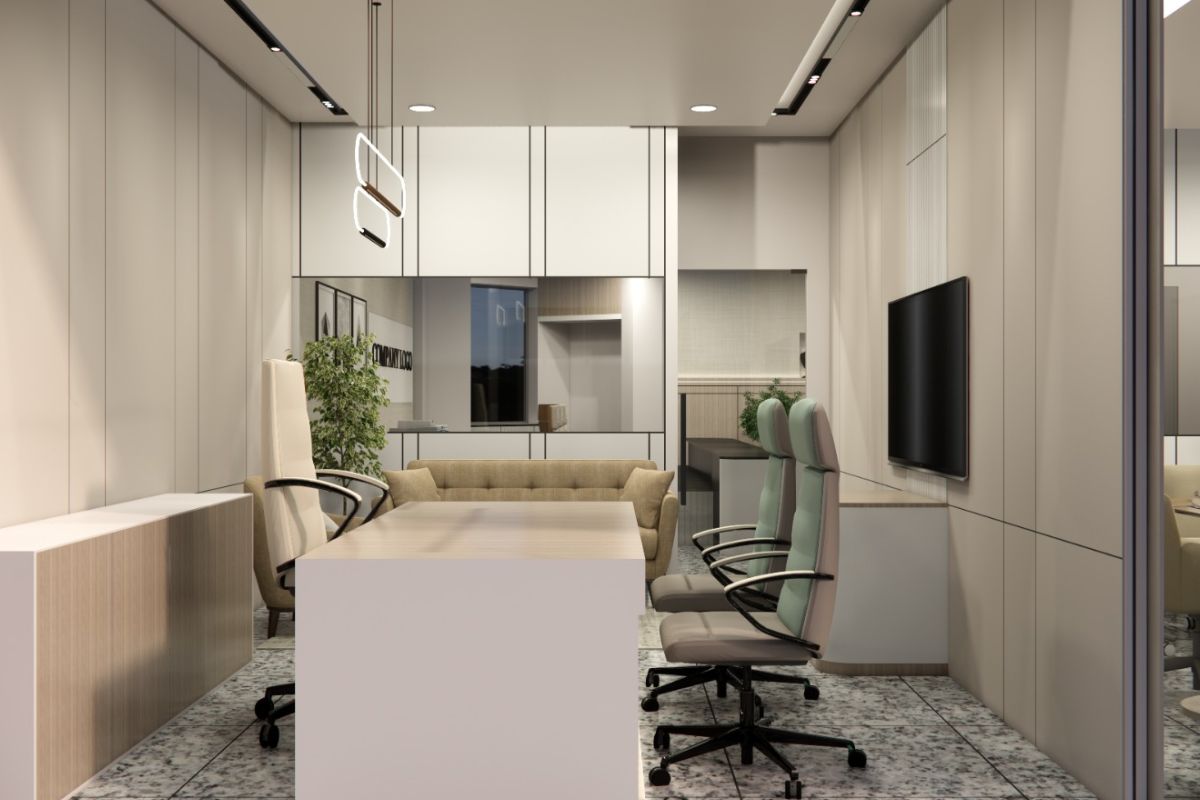
Before you worry about color palettes or hip furniture, you must decide how the space will work for your employees. A beautiful office that gets in the way of workflow is a design flaw. By optimizing the functional space first, you’re creating a foundation upon which all else that’s visual and brand-related can be built. By doing so, you’re ensuring your investment is improving day-to-day operations and helping your business objectives down the road.
Beginning an office interior design project is the first big step towards an even more improved working environment. Opening a new headquarters or renovating an existing one, what you intend will immediately reflect in productivity, employee morale, and company image. There’s so much that needs to be considered, you could easily get lost. It all depends on selecting one guaranteed number one priority from the get-go. Your space planning and functionality need to be ahead of anything at all times.
Table of Contents
Why Functionality and Space Planning Need to Be the Priority
A planned office is the cornerstone of a well-run business. It considers the flow of people, departmental requirements, and operations that are carried out on a daily basis. Having planned it allows you to create a master plan that makes the most of every square inch, and this matters especially for a small office interior design space.
Define Your Operational Needs
Start by observing your team’s work patterns. How are the departments talking? Will you need collaborative brainstorming space or quiet areas for activities that demand focus? It’s by asking these types of questions that you are able to design a space to encourage natural work styles.
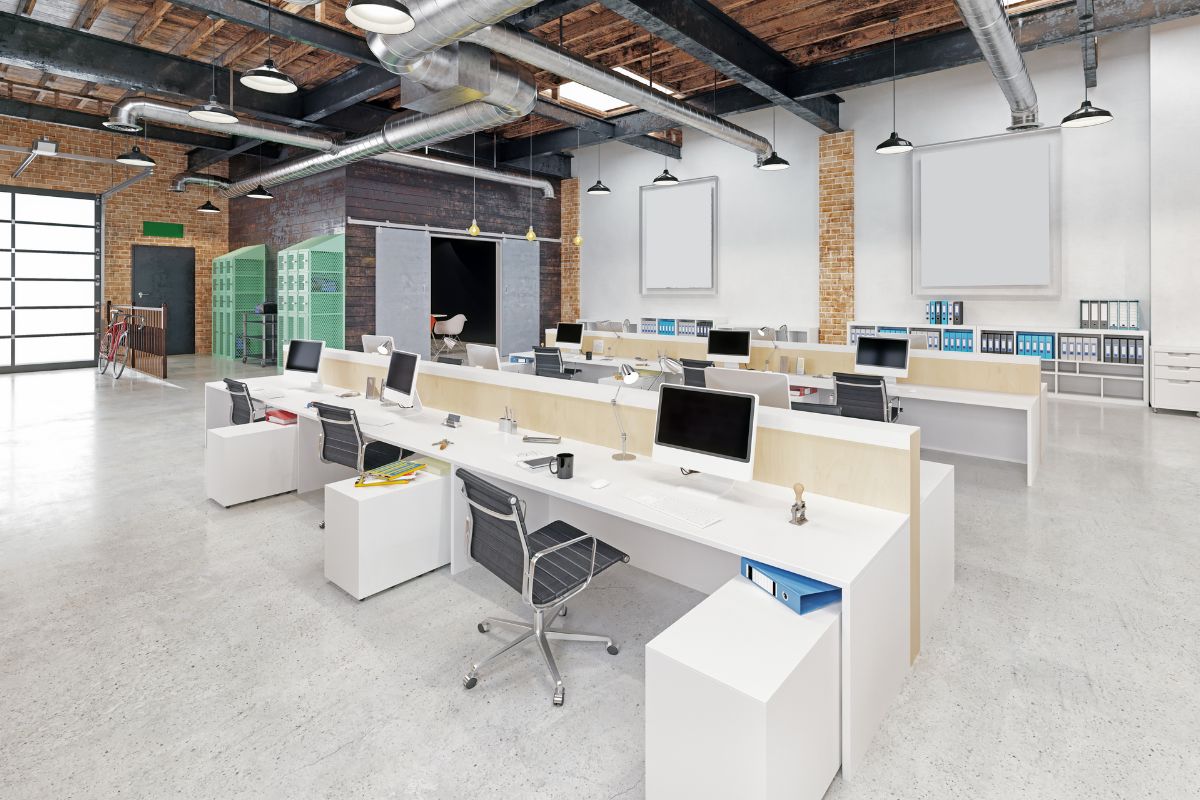
Turn to these important areas:
- Workstations: Do you prefer an open-floor plan, separate rooms, or a combination of both with cubicles? This will be decided based on your company culture and work nature.
- Meeting Spaces: How many meeting rooms do you need, and how big should they be? Include a combination of large-sized conference rooms and small-sized huddle rooms for informal meetings.
- Breakout and Social Spaces: An adequately supplied break room or lounge allows for socialization and offers employees a location to refresh.
- Support Spaces: Don’t forget utilitarian spaces like storage closets, a server closet, and a reception area that make a good impression.
By establishing those areas, you ensure that the design is functional and appropriate for your business. Window shopping office interior design, office space ideas may inspire you to create multi-purpose spaces that adapt to the changing needs of your team.
Successful Strategies for a Small Office Interior Design Office Space
When space is limited, strategic planning cannot occur. The notion is to create a space that is open and effective, not cramped and messy. A focus on smart layout solutions can transform a compact footprint into a productivity powerhouse.
Maximize Vertical Space and Light
Among the most popular small office interior decoration solutions is to maximize vertical space. Custom-made, ceiling-high shelving units will hold an abundance of supplies without taking up valuable floor space. Similarly, introducing natural light wherever possible will provide a visual feeling of openness to a small office.
- Install Glass Divisions: Rid yourself of walls and instead use glass partitions to divide spaces. This provides an airy and open feel but also provides the room with the acoustic seclusion it requires.
- Install Light Shades: Paint walls, floor, and large furniture pieces in light colors to reflect light and provide the illusion of space.
- Install Mirrors: Strategically placed mirrors can double the perceived space and bounce light around the room.
Adaptive and Multifunctional Furniture
For a low-budget small office interior design, multi-purpose furniture is a godsend. Invest in things that serve multiple purposes. A communal table, for example, can be a lunch room, informal meeting space, and collaborative working area. Nesting tables and wheeled whiteboards are easy to relocate and reconfigure whenever needed. With this, your office space can adapt to your business.
Balancing Aesthetics and Budget
Once you have your functional design settled, you can start thinking about how the office is going to look. Your design needs to be reflective of your brand identity and welcoming. The bright side is that you don’t need an unlimited budget to achieve a high-end atmosphere.
Find Inspiration from Office Interior Design Photos
Inspire yourself before you start choosing finishes. Browsing images of office interiors will provide you with a sense of what styles, colors, and textures resonate with your brand. Create a mood board to share with your team or designer. A visual reference ensures everyone is on the same page in terms of aesthetic direction and prevents costly changes later on. Seek out examples that can strike a balance between style and functionality.
How a Professional Can Help
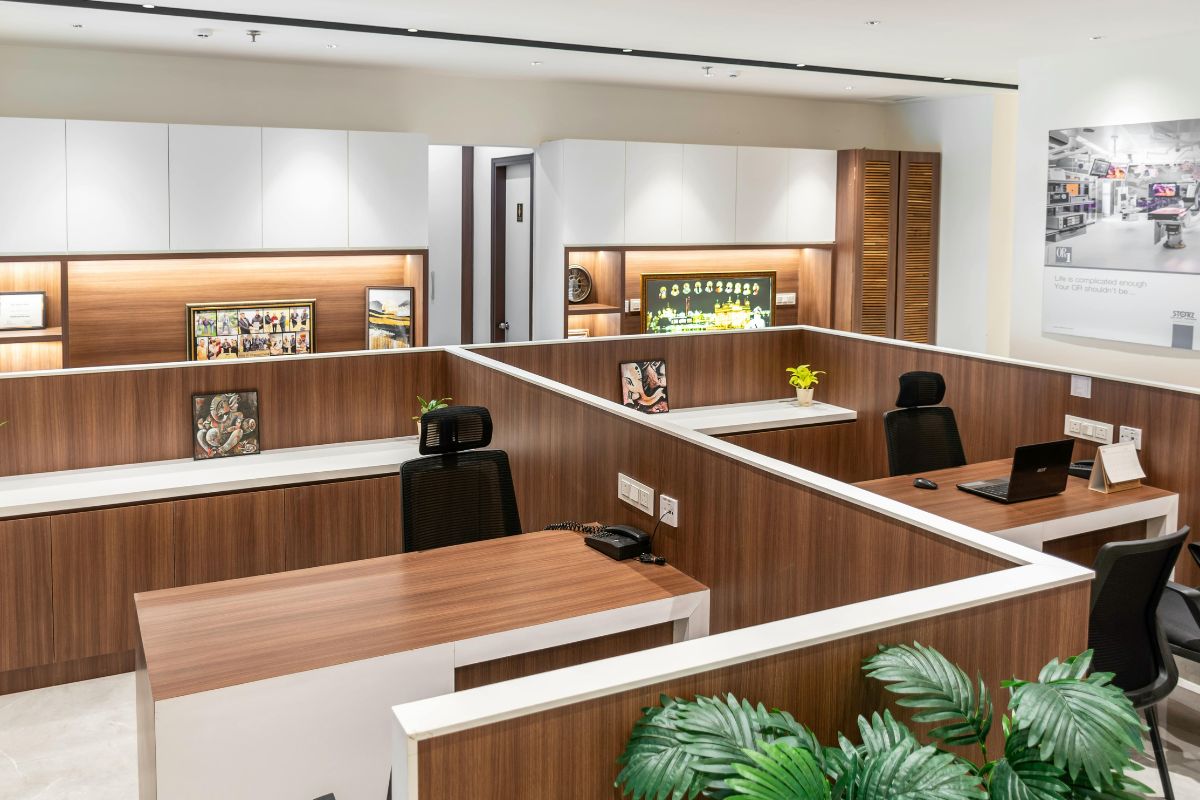
Even if it’s tempting to do it yourself, utilizing an office interior design firm in Dubai will ultimately cost you less money, time, and anxiety in the long run. A professional designer provides you with space design experience, product expertise, and access to trade-only manufacturers with whom they have a relationship. They can take your idea and make it a full plan that incorporates function, design, and budget.
A designer can help you:
- Create precise floor plans and 3D renderings.
- Sourcing furniture pieces and materials within budget.
- Works within building codes and regulations.
- Coordinates with contractors and oversees the entire project.
Their skills are most beneficial in bargaining the special concerns of a low-budget small office interior design, where every choice has to have maximum effect.
Putting It All Together for a Successful Design
It needs an office to design, but starting with the right intention puts you in a position to win. When you prioritize functionality and space planning at the top, you create an effective foundation that promotes productivity and employee wellness. From that point, you can then insert a visual appeal that is reflective of your brand and fosters a way.
Whether it’s a small budget or a small space you’re working with, a thoughtful, needs-based approach will make your new office a home for your business and your staff.